


Complete Guide to Using Blender Scatter Objects for Creating Gardens and Data Visualization
Definition and Function of Blender Scatter Objects
Blender scatter objects is a powerful feature that allows users to distribute objects randomly or systematically across a specific area within a 3D scene. This functionality is essential for creating complex environments like gardens, forests, or even detailed data visualizations that require effective and attractive point data representation. By using this technique, designers can efficiently generate natural and realistic environments without the time-consuming task of placing each object manually. This automation not only speeds up the design process but also ensures consistency and scalability in large scenes.
The ability to scatter objects in Blender is particularly valuable when designing intricate scenes where natural randomness is key. For example, when creating a garden layout, the blender scatter objects feature can simulate the irregular distribution of plants, flowers, and rocks, resulting in a more authentic and visually pleasing outcome. Additionally, this feature is adaptable for other creative uses, such as scattering particles or visualizing spatial data points in a 3D space.
Discover how to enhance your 3D scenes with scatter objects in Blender for more realistic gardens and visual effects.
Discover how Filbet can enhance your projects by efficiently using Blender scatter objects for realistic gardens and data visualizations.
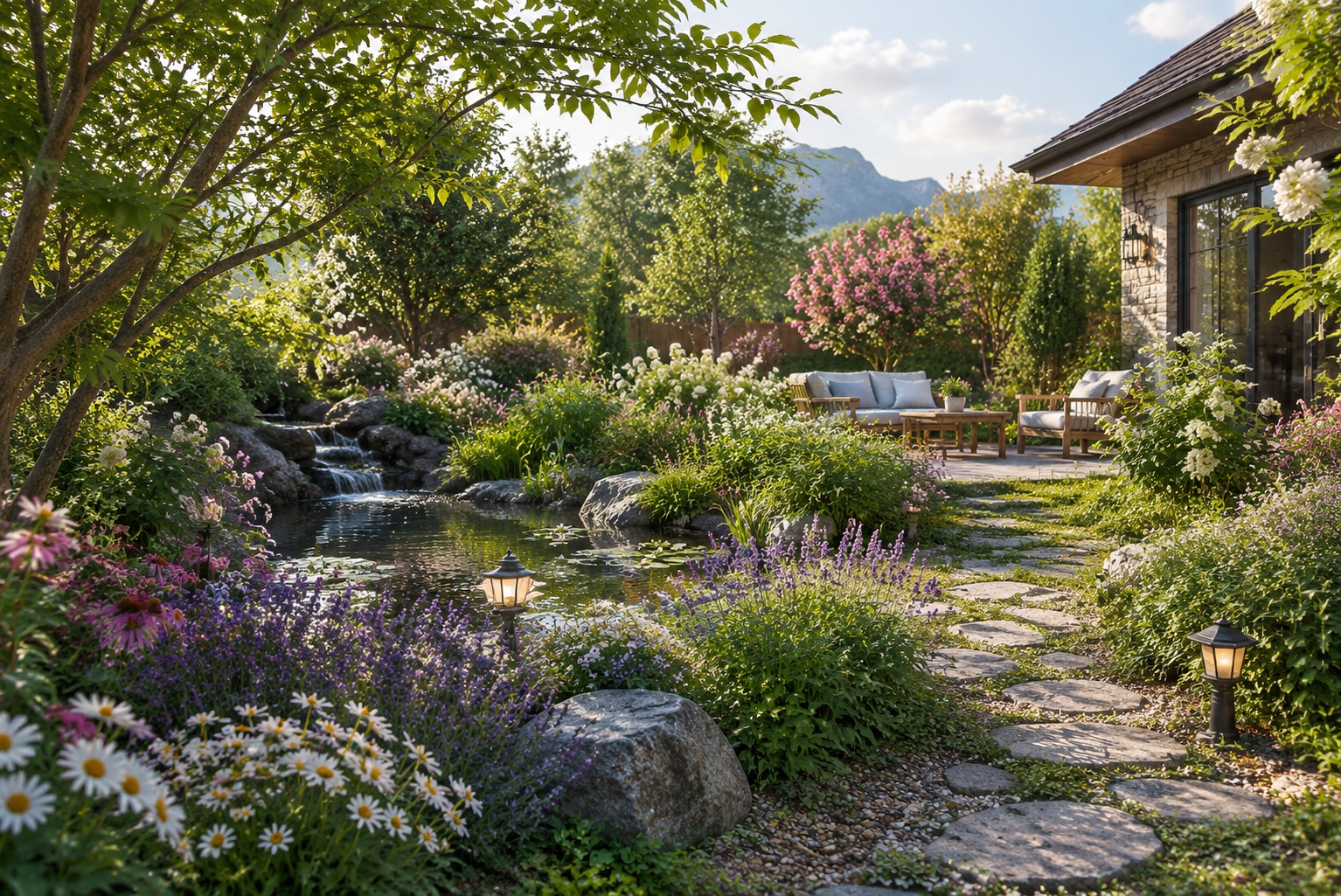
Benefits of Using Scatter Objects in Design
- Increases efficiency in creating digital gardens or landscapes by automating object placement.
- Creates natural and realistic visual effects quickly, mimicking real-world randomness.
- Makes it easy to control the distribution of objects randomly or systematically, offering high flexibility.
- Highly suitable for data visualization and visual statistical analysis, enhancing clarity and insight.
- Helps in faster and more optimal rendering processes by managing object density intelligently.
- Supports customization of scattered objects’ scale, rotation, and density to fit specific design needs.
- Enables artists and designers to experiment with different layouts without extensive manual adjustments.
Model and Scene Preparation
Before starting to use blender scatter objects, make sure you have prepared the models to be scattered, such as trees, rocks, flowers, or other relevant objects. These models should be optimized for performance to avoid slowing down the system during scattering. Also, set up your scene with appropriate lighting, background, and camera angles to support maximum visualization. This initial setup is crucial to ensure the object distribution process runs smoothly and the results meet your creative or analytical expectations.
Furthermore, organizing your scene with proper layers or collections can help manage scattered objects more effectively. Naming conventions and grouping similar objects will also facilitate adjustments during the design process. Taking these preparatory steps will save time and improve workflow when working with complex scatter scenes.
Scatter Objects Settings
At this stage, you will select the objects to be scattered and determine their distribution pattern within Blender. The software offers several parameters such as Density, Radius, Randomness, and Scale Variation to control how many and how randomly objects are scattered. These settings allow the creation of natural gardens or accurate data visualizations tailored to your specific needs.

For instance, adjusting the density slider increases or decreases the number of scattered objects, while randomness introduces variation in placement, preventing uniform patterns. You can also define exclusion zones where no objects should be scattered, which is useful for pathways or open spaces in garden designs. These controls are essential when aiming for either highly naturalistic scatter gardens or precise spatial data visualizations.
Finding Scatter Gardens Near Me
For those interested in experiencing the beauty of scatter gardens near me, many cities and towns feature parks, botanical gardens, or thematic green spaces that utilize scatter planting techniques. These gardens leverage the principles of natural distribution to create visually appealing and ecologically sustainable environments. Visiting such locations can provide inspiration and insight into how scattered object placement enhances landscape design.
In addition to public gardens, some private landscaping projects and urban green initiatives incorporate scatter garden concepts to improve biodiversity and aesthetic value. Searching online or consulting local horticultural societies can help you locate these innovative gardens. Observing real-world examples of scatter gardens can be invaluable for designers aiming to replicate similar effects using Blender scatter objects in their digital projects.
Adding a Trend Line to Scatter Plot in Python
Besides their application in visual design, scatter objects are also crucial in the field of data analysis and visualization. When working with scatter plots in Python, adding a trend line helps identify patterns or relationships within the data. To add a trend line to scatter plot Python users commonly utilize libraries such as Matplotlib and NumPy.
The process involves calculating the best-fit line using linear regression or polynomial fitting based on the data points. This trend line is then plotted over the scatter plot, providing a clear visual summary of data trends. Incorporating such trend lines enhances the interpretability of scatter plots, making it easier to communicate insights in reports or presentations. Combining these data visualization techniques with Blender’s 3D scatter objects can lead to innovative and interactive analytical tools.
Scatter Object Data Table in Blender
| Parameter | Description | Typical Use |
|---|---|---|
| Density | Controls the number of scattered objects per unit area. | Adjusting overall object count in gardens or data points. |
| Radius | Defines minimum distance between scattered objects. | Avoiding object overlap for natural spacing. |
| Randomness | Introduces variation in object placement and rotation. | Creating organic, non-uniform distributions. |
| Scale Variation | Alters the size of scattered objects randomly. | Adding realism by varying object dimensions. |
Mastering these parameters within Blender scatter objects will enable you to create stunning digital gardens or insightful data visualizations that are both aesthetically pleasing and functionally effective. Whether you are designing a virtual landscape or analyzing complex datasets, understanding how to manipulate scatter objects is a valuable skill that enhances your creative and analytical capabilities.